Blog
What Is Live Resin? A Complete Guide to Live Resin Extracts


If you have spent any time exploring dispensary menus, reading about cannabis concentrates, or browsing premium vaping devices over the last few years, you have undoubtedly encountered the term live resin. Rapidly ascending from a niche artisan product to a dominant force in the global cannabis market, live resin has redefined what consumers expect from flavor, aroma, and overall chemical potency.
Unlike standard shatter, wax, or traditional distillate, live resin is celebrated for capturing the authentic, unmodified essence of the living cannabis plant. But what makes live resin so remarkably unique? How is it manufactured without destroying delicate plant compounds, and why do experienced connoisseurs consistently choose it over other extract varieties?
In this comprehensive guide, we will unpack the complete science of live resin. From flash-freezing botany and hydrocarbon extraction chemistry to the nuances of terpene retention, texture variations, consumption hardware, and preservation protocols, here is everything you need to know about live resin extracts.
Live Resin at a Glance: The Full-Spectrum Standard
Live resin is a specialized cannabis concentrate derived from freshly harvested cannabis that is flash-frozen at sub-zero temperatures rather than dried and cured. By bypassing the traditional drying phase, extractors preserve up to 95% of the plant’s volatile terpenes and secondary cannabinoids. The result is a full-spectrum extract delivering unmatched strain-specific flavor, intense aromatic profiles, and a robust “Entourage Effect.”
Fresh Frozen
Flash-frozen uncured plant
65% – 85%
Total Active Cannabinoids
4% – 12%+
Full-spectrum plant oils
Closed-Loop
Sub-zero hydrocarbon BHO/PHO
1. The Definition: What Makes Cannabis Resin “Live”?
To understand why live resin is such a massive leap forward in concentrate technology, one must first look at how standard cannabis extracts have traditionally been made for decades.
Normally, when cannabis plants reach peak maturity, cultivators cut them down and hang them upside down in controlled drying rooms for 7 to 14 days. Following the dry, the buds undergo a “curing” process in airtight containers for several additional weeks. This crucial traditional step breaks down harsh green chlorophyll, stabilizes moisture levels, and allows raw cannabis flower to burn smoothly in a joint or bowl.
However, while curing is fantastic for smokeable flower, it is catastrophic for delicate plant compounds known as trichomes. Trichomes are the microscopic, mushroom-shaped crystal glands covering the exterior of ripe cannabis buds. They act as microscopic chemical factories, synthesizing tetrahydrocannabinol (THC), cannabidiol (CBD), minor cannabinoids, and volatile organic aromatic compounds called terpenes.
The Destruction of Terpenes in Traditional Curing
Terpenes are incredibly fragile. Exposure to heat, light, oxygen, and atmospheric air causes them to degrade and evaporate at a rapid rate. Scientific research demonstrates that during a standard 2-week air-drying and curing cycle, up to 60% or more of a plant’s original terpene content evaporates into thin air long before extraction even begins. Monoterpenes—the light, highly volatile compounds responsible for bright citrus, sweet berry, and fresh floral notes—are the very first to disappear.
Live resin completely rewrites this narrative.
Instead of hanging the harvested plants to dry, live resin producers execute a process called fresh-freezing. Within minutes of being cut from the living soil or hydroponic system, the raw, wet cannabis stalks are placed into industrial deep freezers operating at sub-zero temperatures. By freezing the moisture and sealing the living trichomes instantly, the entire biological and chemical profile of the living plant is frozen in time. When this material is subsequently processed, the final extract is literally made from a “live” plant chemical snapshot.
2. The Science & Protocol Behind Live Resin Extraction
Extracting frozen plant material requires far more sophisticated machinery and technical expertise than standard concentrate processing. Because fresh cannabis retains all of its natural internal moisture (water content), standard room-temperature extraction methods would result in frozen water ice blocking the machinery and contaminating the oil with excess moisture and bitter green chlorophyll.
Here is the detailed step-by-step engineering protocol behind commercial live resin production:
Step 1: Immediate Cryogenic Freezing
Harvested biomass is packed into vacuum-sealed bags and plunged into liquid nitrogen dewars or blast freezers held between -10°F and -50°F (-23°C to -45°C). This halts metabolic decay, seals cell walls, and prevents monoterpene evaporation.
Step 2: Sub-Zero Hydrocarbon Washing
The frozen biomass is loaded into a closed-loop hydrocarbon extraction system. Chilled solvents (typically a 70/30 or 50/50 blend of high-purity n-butane and propane) are cooled below -40°F and washed over the plant material, stripping trichome heads while leaving frozen water and plant waxes behind.
Step 3: Solvent Recovery & Separation
The solvent-and-oil mixture flows into a collection vessel where gentle heat volatilizes the liquid butane/propane, turning it back into a gas to be condensed and reused. Because hydrocarbons have extremely low boiling points, this separation happens at low temperatures, shielding the terpenes from thermal damage.
Step 4: Vacuum Oven Purging
The remaining concentrated resin is placed inside a vacuum drying oven for 24 to 72 hours. Under deep atmospheric vacuum pressure, any lingering micro-traces of solvent boil away safely at negligible, low-heat thresholds, ensuring absolute chemical purity.
3. The Power of Terpenes and The Entourage Effect
While high THC percentage was once considered the sole benchmark of cannabis quality, modern cannabinoid science has proven that THC is only one piece of a much larger physiological puzzle. The true star of the live resin show is its extraordinary terpene concentration.
Terpenes do not simply provide the aromatic burst of diesel, skunk, pine, or tropical fruit when you open a container. They are biologically active molecules that interact directly with human physiology, cellular receptors, and neurotransmitters.
Understanding Key Cannabis Terpenes
When you consume a true full-spectrum live resin, you are receiving a complex orchestra of aromatic molecules, including:
- Myrcene: Earthy and herbal. Known for its deeply relaxing, body-heavy physical sedation (often associated with heavy Indica strains).
- Limonene: Vibrant, citrusy aroma. Associated with mood elevation, stress relief, and energetic mental clarity.
- Beta-Caryophyllene: Peppery and woody. Uniquely acts as both a terpene and a direct agonist for the body’s CB2 endocannabinoid receptors, assisting with inflammation relief.
- Linalool: Delicate floral and lavender aroma. Celebrated for calming nervous anxiety and promoting deep sleep.
- Pinene: Sharp pine needle aroma. Promotes mental alertness and can help counteract short-term memory impairment associated with high THC intake.
The Mechanics of The Entourage Effect
In 1998, renowned researchers Dr. Raphael Mechoulam and Dr. Shimon Ben-Shabat coined the term The Entourage Effect. This therapeutic theory establishes that cannabinoids (THC, CBD, CBG) and terpenes exhibit synergistic biological relationships. When consumed together in their natural, unmodified plant ratios, terpenes modify how cannabinoids cross the blood-brain barrier and bind to CB1 and CB2 receptors.
This explains why pure THC isolate or low-terpene products often deliver a flat, short-lived, or anxiety-inducing high, whereas a rich, full-spectrum live resin provides a nuanced, long-lasting, strain-specific physical and mental experience. To discover how varying terpene combinations curate unique sessions, explore our guide on the best Muha Meds flavors.
4. Live Resin vs. Other Popular Cannabis Extracts
The modern shelf space dedicated to cannabis concentrates can be overwhelming. To help clear up confusion, let’s examine how live resin contrasts against other leading extract types across key market criteria:
| Extract Type | Starting Material | Extraction Solvent | Terpene Retained | Primary Experience |
|---|---|---|---|---|
| Live Resin | Fresh-Frozen Flower | Hydrocarbons (BHO/PHO) | Very High (4%–12%+) | Full-Spectrum, highly aromatic, true-to-strain high. |
| Distillate | Dried/Cured Trim or Flower | Ethanol / CO2 / Distillation | None (Re-added later) | Isolated THC potency (85%-95%), generic high without native plant terpenes. |
| Live Rosin | Fresh-Frozen Ice Wax | Solventless (Heat & Pressure) | Very High (5%–15%) | Ultra-clean, mechanical solvent-free extraction, highly artisanal price point. |
| Cured Shatter / Wax | Dried & Cured Flower | Hydrocarbons (BHO) | Moderate to Low (1%–3%) | Strong potency, muted flavor profile, brittle or crumbly physical texture. |
5. Exploring the Texture Variations of Live Resin
Because live resin contains significant amounts of liquid terpenes alongside crystalline THCa (tetrahydrocannabinolic acid), it naturally forms several distinct post-extraction physical consistencies based on how the oil is purged, agitated, or cured after extraction:
1. Live Badder / Budder
During the purging phase, technicians gently whip the resin under warm vacuum conditions. This incorporates microscopic air bubbles, transforming the concentrate into a smooth, creamy, opaque texture akin to cake frosting or soft butter. Badder is widely considered the easiest live resin texture to scoop and load onto a dab tool.
2. Live Resin Sugar
If left undisturbed, THCa naturally precipitates out of the terpene liquid solution and crystallizes into small, uniform granules. Live sugar exhibits a textured, gritty feel resembling wet, amber-colored table sugar suspended in rich syrup.
3. Terp Sauce (HTE – High Terpene Extract)
Through slow crystallization separation, extractors separate the batch into two distinct layers: solid mineral-like THCa crystals and a golden, runny, highly aromatic liquid fraction known as terp sauce. Terp sauce yields unmatched scent profiles and flavor depth.
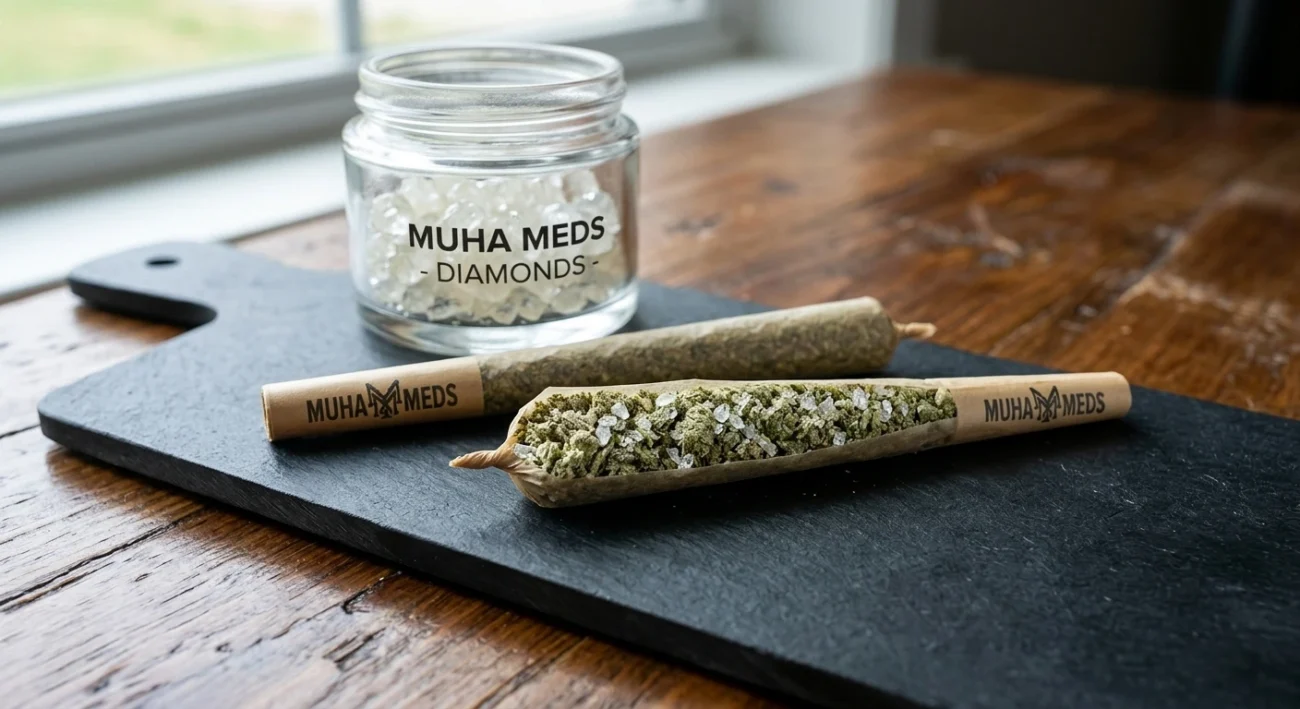
4. Diamonds in Sauce
The luxury benchmark of concentrate aesthetics. Translucent, gem-like boulders of 99% pure THCa crystalline “diamonds” are submerged in a pool of high-terpene sauce. Dabbing diamonds allows users to precisely control their personal balance between sheer potency and intense flavor.
6. How to Consume Live Resin: Hardware, Temps & Methods
Because live resin’s primary value lies in its heat-sensitive terpene profile, proper consumption technique is vital. Overheating live resin scorches terpenes, resulting in a harsh throat hit and burnt flavor.
Method A: Specialized Portable Vapes & Disposables
Vaping is the easiest, most discreet way to experience live resin. Liquidized live resin oil is pre-loaded into 510-thread cartridges or modern all-in-one hardware.
Key Rule for Vaping Live Resin: Keep the voltage low. Standard distillate carts can handle high battery heat (3.2V to 3.8V), but live resin should always be vaped at low voltages between 2.0V and 2.6V to protect delicate aromatic compounds.
For an optimal, hassle-free experience perfectly calibrated for live resin temperatures, our premium All-in-One devices deliver precise temperature management automatically. Need step-by-step assistance with your device? Review our Muha Meds All-in-One Guide for user tips and hardware care.
Method B: Traditional Low-Temperature Dabbing
For purists seeking maximum vapor production, dabbing live resin badder or sugar through a glass rig with a quartz banger remains king. To protect your oil, always practice low-temp dabbing:
- Heat your quartz banger with a butane torch until evenly hot.
- Allow the banger to cool down for 45 to 60 seconds until its surface temperature reaches roughly 450°F to 520°F (232°C to 271°C).
- Drop your live resin scoop into the banger and immediately cap it with a carb cap to trap the expanding vapor.
Method C: Infused Pre-Rolls & Edibles
Live resin isn’t limited to rigs and pens. Cultivators coat or inject premium flower with live resin to create supercharged pre-rolls that burn slowly and deliver massive potency. Furthermore, culinary artists now utilize live resin to create full-spectrum gummies, providing strain-specific edible highs that go far beyond standard THC isolate treats.
7. Storage, Degradation & Preventing Counterfeits
Because live resin is packed with volatile terpenes, leaving a glass jar exposed to open air or room temperatures will cause the delicate oils to evaporate rapidly, drying out your concentrate into a flat, flavorless crust.
Proper Storage Guidelines
- Refrigeration is Best: Keep your glass live resin jars sealed inside an airtight, light-proof container inside a refrigerator (35°F – 45°F).
- Allow Temperature Equalization: When taking live resin out of the fridge, let the jar warm up to room temperature for 10 minutes before opening the lid. Opening cold jars immediately causes ambient room moisture to condense on the cold wax, ruining its consistency.
- Vape Cartridge Care: Store live resin vape carts upright in a cool, shaded drawer away from direct sunlight and hot vehicles.
8. Frequently Asked Questions About Live Resin
Does live resin get you higher than regular wax or flower?
Because live resin retains a full-spectrum profile containing high THC concentrations alongside active terpenes and minor cannabinoids, most consumers report a significantly deeper, more impactful, and longer-lasting high due to the Entourage Effect compared to cured wax or standard flower.
Why is live resin more expensive than distillate?
Live resin requires expensive fresh-freezing logistics immediately at harvest, specialized cryogenic transport, sub-zero closed-loop extraction equipment, and expert laboratory technicians. Distillate, by contrast, can be mass-produced from lower-cost, cured trim biomass.
Can you dab live resin at high temperatures?
You can, but you shouldn’t. High temperatures (above 600°F) instantly scorch the high terpene content in live resin, destroying its signature strain flavor and producing harsh combustion byproducts that irritate your throat and lungs.
What color should high-quality live resin be?
Top-tier live resin typically ranges from bright golden-amber to light translucent yellow. Dark brown or black extracts usually indicate old starting material, excessive heat exposure during purging, or improper storage.
What is the difference between Live Resin and Cured Resin?
Live resin is extracted from fresh cannabis plants that were frozen immediately upon harvest. Cured resin is extracted from cannabis plants that underwent a standard multi-week drying and curing process prior to extraction.
Is live resin solventless?
No. Live resin is extracted using light hydrocarbon solvents like butane and propane within closed-loop systems (which are subsequently purged in vacuum ovens). If you are looking for a solventless fresh-frozen concentrate, you are looking for Live Rosin, which uses ice water and mechanical heat press pressure.
Does live resin expire?
Live resin does not strictly “expire” in a food safety sense, but its quality degrades over time. If exposed to oxygen, heat, or light, terpenes evaporate and THCa slowly oxidizes into CBN, diminishing potency and flavor. Properly refrigerated, live resin maintains peak quality for 12+ months.
Why does live resin smell so much stronger than other concentrates?
Because fresh-freezing locks in up to 95% of the plant’s natural monoterpenes that normally evaporate during curing, live resin preserves an abnormally high concentration of volatile aromatic compounds that off-gas immediately upon opening the container.
Can I put live resin inside a joint or bowl?
Yes! Known as “twaxing,” you can smear a small ribbon of live resin badder along the inside of a rolling paper or drop a tiny sugar dab in the center of a packed flower bowl for an extra punch of flavor and potency.
Are live resin carts better than standard vape carts?
For flavor enthusiasts and those who want an authentic plant experience, yes. Standard carts often rely on isolated THC distillate mixed with artificial botanical flavorings, whereas live resin carts contain pure, 100% cannabis-derived oil capturing the exact flavor and feel of the original strain.
Embracing the Full-Spectrum Experience
Live resin represents the perfect harmony between modern agricultural technique and botanical extraction science. By capturing the living plant at its absolute peak maturity, live resin extracts deliver an authentic, unadulterated cannabis experience bursting with natural aroma, rich flavor depth, and dynamic full-spectrum effects.
Whether you choose to dab smooth sugar at low temperatures, enjoy the effortless convenience of modern all-in-one live resin vapes, or savor infused edibles, stepping up to live resin means experiencing cannabis exactly as nature intended.